Slow drains, gurgling pipes, standing water over the drain field and a sewage smell near the tank are the four warning signs that mean call for pumping now. A residential tank is typically pumped every 3 to 5 years depending on tank size and household size, so a sudden problem before that window usually means trouble, not routine wear.
Slow drains in more than one fixture at once is the first tell. If the kitchen sink and the upstairs shower both back up the same week, that is not a coincidence, that is a tank telling you something. Gurgling sounds from pipes after a flush mean air is trapped where it should not be. Standing water or unusually green, soft grass over the drain field points to effluent surfacing where it should be absorbing underground. A sewage odor near the tank lid or in the yard, especially after rain, is one of the clearest signs. Any property owner in Downtown DC dealing with these symptoms should treat it like an emergency, not a maintenance item to schedule for next month. Downtown DC Porta Pros handles same-day calls for exactly this reason, and if you are also managing a job site or event nearby, portable restroom rental can cover the gap while the tank gets sorted. For businesses running a kitchen, the warning signs look different, and that is worth reading separately under grease trap pumping.
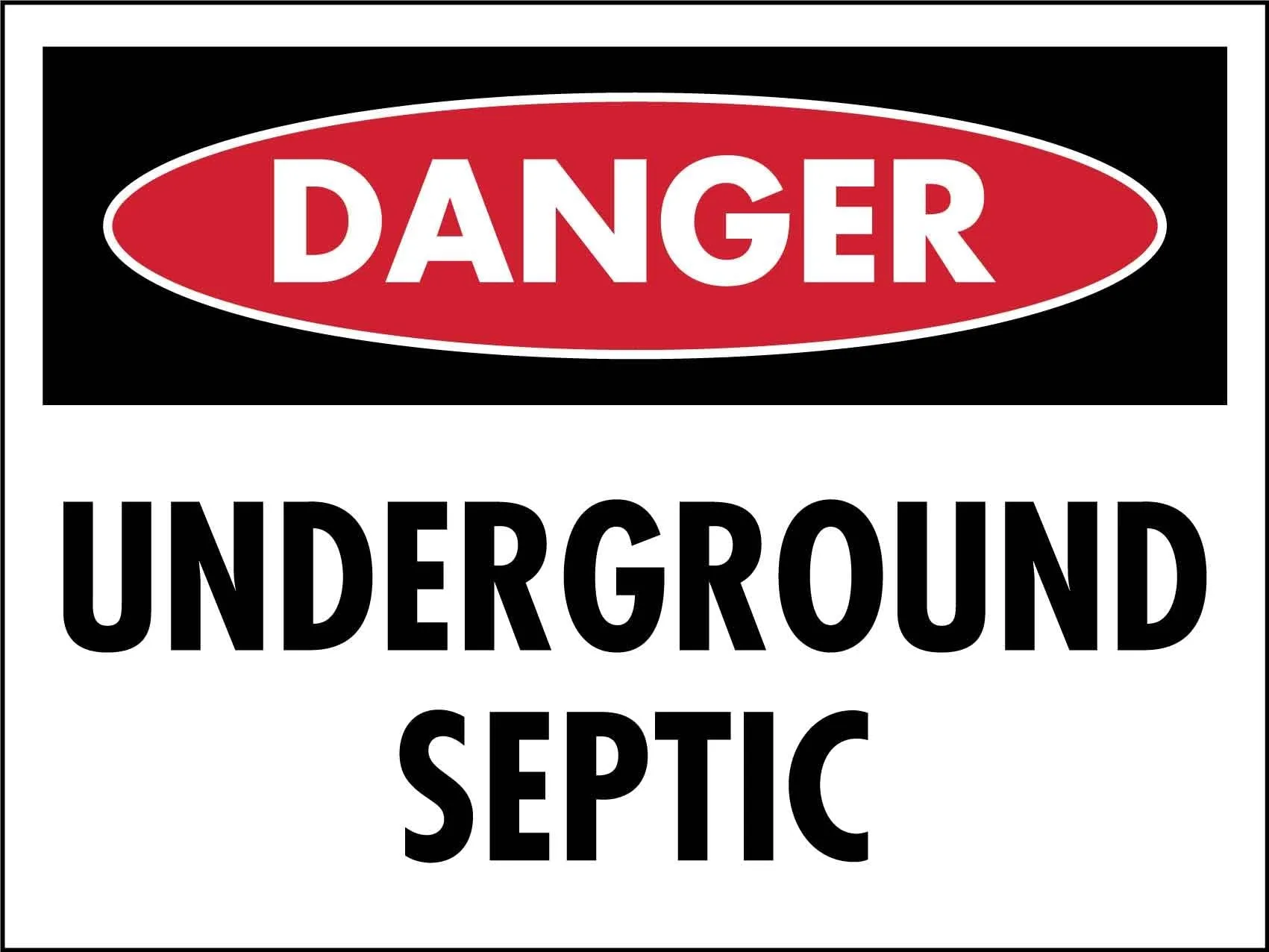
A bad smell almost always means gas is escaping somewhere it should not, either a dry trap, a cracked vent pipe or a tank close to capacity. Sewer gas is not just unpleasant, it can indicate a system under real pressure. If the smell is strongest near the drain field rather than the house, the field itself may be saturated or failing. This is different from a temporary odor after heavy pumping, which usually clears in a day. If you are unsure which it is, do not guess. Book a septic tank pumping cost estimate and let a pump truck check tank level while they are on site. Property managers running renovation work at the same time often ask about home renovation porta potty rentals so the crew has somewhere to go while the septic system is offline. Restaurants and event venues in Downtown DC with grease interceptors face a related deadline: a grease interceptor needs pumping once fats, oils, grease and solids reach 25 percent of the liquid depth, which happens faster than most owners expect.
Most homeowners never open the tank themselves, which is fine, because a professional check during scheduled pumping catches problems early. Since the standard pumping interval is every 3 to 5 years, a mid-cycle inspection is a reasonable middle ground if the household has grown or water use has jumped. Downtown DC properties on older systems benefit from tighter monitoring, especially where the drain field sits close to hardscape or a driveway. If you are planning any excavation, dumpster placement, or fencing near the tank or field, check first, since compaction and heavy loads can crush pipe. A temporary fence rental around the work zone keeps equipment and foot traffic off the field while work happens. Contractors coordinating a bigger renovation should also look at construction site services for the full list of what a job site typically needs, from toilets to dumpsters to power.
If sewage is backing up into the house, standing in the yard, or the smell is strong indoors, call for emergency service now, do not wait for a scheduled slot. Emergency septic service exists for exactly this scenario, and most crews can respond same day when a tank is actively overflowing. If the symptom is mild, like one slow drain, a scheduled visit through septic pumping service is usually enough. The difference matters because a tank that has already surfaced water onto the lawn is closer to a health hazard than a maintenance issue. Businesses near Hyattsville, about 6.4 miles northeast of Downtown DC, and Takoma Park, roughly 6.5 miles north, use the same triage logic: separate the "can wait for the next slot" cases from the "someone needs to be here today" cases. If your event or job site needs interim restrooms while septic work happens, event restroom rental or a straightforward porta john rental bridges the gap without shutting the project down.
A full tank usually clears up right after pumping. A failing system, meaning a saturated or collapsed drain field, keeps showing symptoms even after pumping. If slow drains and odors return within weeks, the problem is likely the field, not tank capacity, and needs a different fix than a standard pump-out.
Yes. Saturated ground around the drain field slows absorption, so a tank that was borderline can suddenly surface water or back up after storms. This is common enough in Downtown DC that it is worth checking the field after any major rain event, not just when symptoms appear indoors.
It can, if placed directly over the tank or drain field, since the weight compacts soil and can crack pipe. Check the layout before delivery. See roll-off dumpster rental or storage container rental for placement guidance before scheduling delivery near a septic area.
A septic tank treats and disperses wastewater into a drain field. A holding tank simply stores it until pumped out, with no treatment or dispersal. Properties without a drain field, or needing temporary capacity during construction, often use a holding tank rental instead.
Permit rules vary and were not verified for this page, so confirm requirements with the city before starting excavation or repair work. For unrelated permit questions around portable sanitation placement, see porta potty permit requirements as a starting reference point.
Call now or request a free quote — clean units, on-time delivery, transparent pricing.